








The best time to visit Taghazout, season by season
- Filed under
- Guide
- Reading time
- 3 min
- Updated
[The short answer]
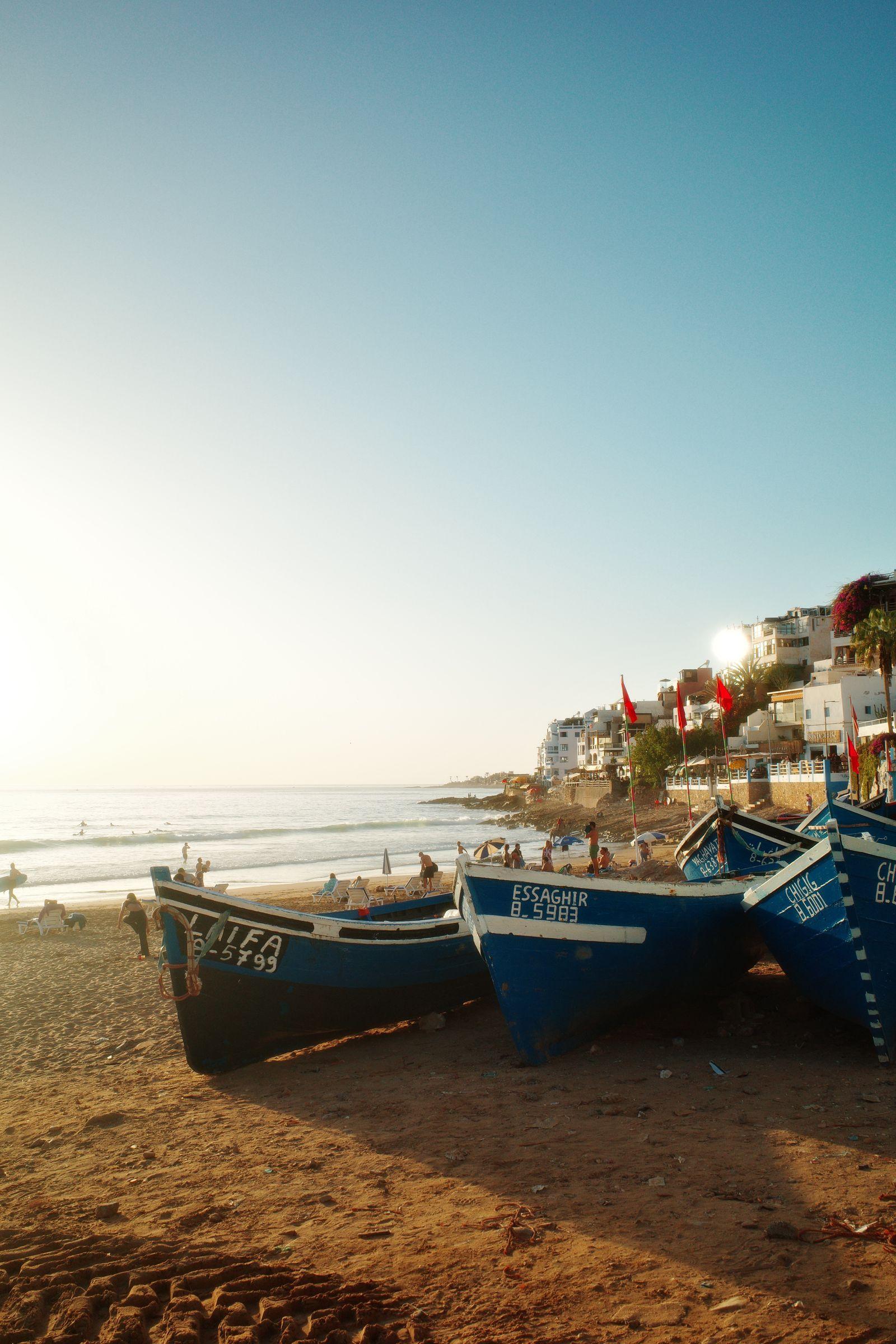
For surf, October to April, when Atlantic swells light up the point breaks. For learning and warm water, May to September, when the waves are smaller and the sea is at its warmest. Autumn — October and November — is the best of both: the first swells, warm days, and the summer crowds gone.
The year in Taghazout
| Months | Surf | Weather | Crowds |
|---|---|---|---|
| October – November | Swells return; points start working | Warm days, cooler nights | Building |
| December – February | The most consistent swells; points at their best | Sunny days around 20°C, cold nights, the odd rain | Busy, especially Christmas and New Year |
| March – April | Still good swell, often less crowded | Mild and bright | Easter is busy |
| May – June | Smaller; good for learning | Warm, some morning haze | Quiet |
| July – August | Small and windy; beginner waves | Hot inland, breezy on the coast | Busy with families from across Morocco |
| September | Small, occasional early swells | Warm water and air | Quiet again |
Winter: for surfers
The reason Taghazout became famous happens between December and February. Swells from storms far out in the North Atlantic arrive one after another and wrap into the points north of the village, and Anchor Point can run for hundreds of metres. Days are mostly sunny and warm enough for a t-shirt at noon; the evenings and early mornings are cold, and most houses have no heating.
Spring and autumn: the sweet spot
October and November, and March and April, are what people who live here would choose. There is still swell, the water has not lost its summer warmth (in autumn) or is starting to gain it (in spring), and the village is busy without being full. If you are an improver who wants real waves without the winter crowds at the points, come now.
Summer: for learning and families
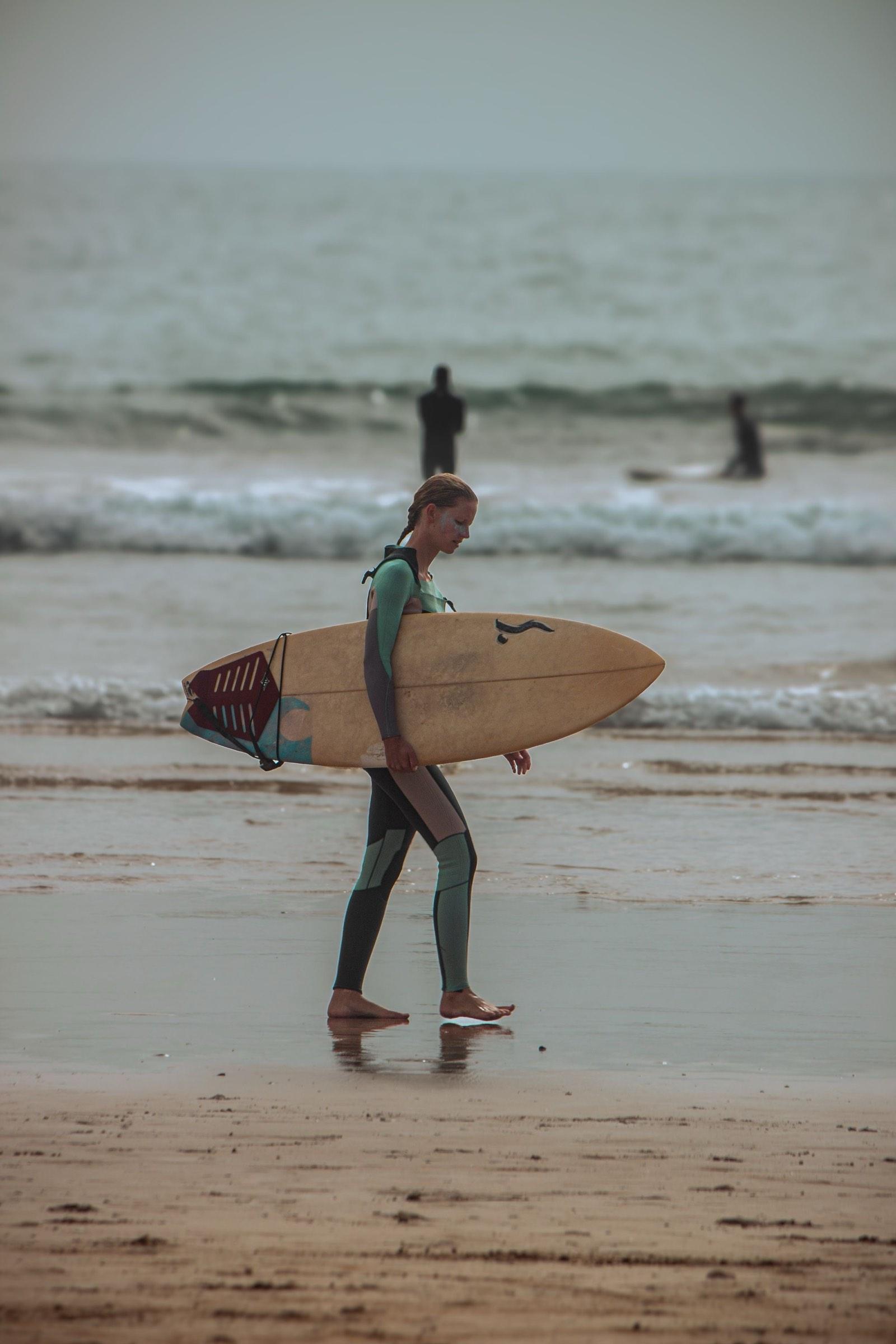
From June to September the swell is small and the afternoon wind picks up, which makes this the best time to learn: soft whitewater at the beaches south of the village and the warmest water of the year. July and August are also Morocco's own holiday season, and the beaches between Agadir and Taghazout fill with families from Marrakech and further inland. Book ahead.
Ramadan and holidays
Ramadan moves about eleven days earlier each year; in 2027 it falls around February and March. The village carries on, cafés serve visitors, and the evenings after sunset are lively — but plan for slower days and shorter opening hours. Christmas, New Year and Easter bring Europeans in numbers, and prices rise with them.
What to pack, whenever you come
- A warm layer for the evenings. Every month.
- Sun cream and a hat, also every month — the wind hides how strong the sun is.
- The right wetsuit: month by month in what to wear surfing in Taghazout.
- Clothes for the village as well as the beach: what to wear in Taghazout.
07 [Questions]
Quick answers
01What is the best month to visit Taghazout?
October or November for most people: the first winter swells, warm days and fewer crowds. For the biggest, most consistent surf, December to February. For learning and warm water, June to September.
02When is the surf season in Taghazout?
October to April, when North Atlantic swells reach the point breaks north of the village. Summer waves are smaller and suit beginners.
03Is Taghazout warm in winter?
By day, usually: sunny with temperatures around 20°C. Nights are cold and houses are rarely heated, so bring a hoodie or sweatshirt.
04Is Taghazout busy in summer?
Yes, in July and August, mostly with Moroccan families on holiday. June and September are quieter.